
How to Choose the Right Stairlift for Your Home
Choosing a stairlift is one of those decisions that feels big because it genuinely is. The right choice can restore independence, ease daily stress, and bring real peace of mind to your entire household. The wrong choice, however, can mean wasted money and a device that simply does not meet your needs. Fortunately, breaking the decision down into clear, manageable steps makes the whole process far less overwhelming.
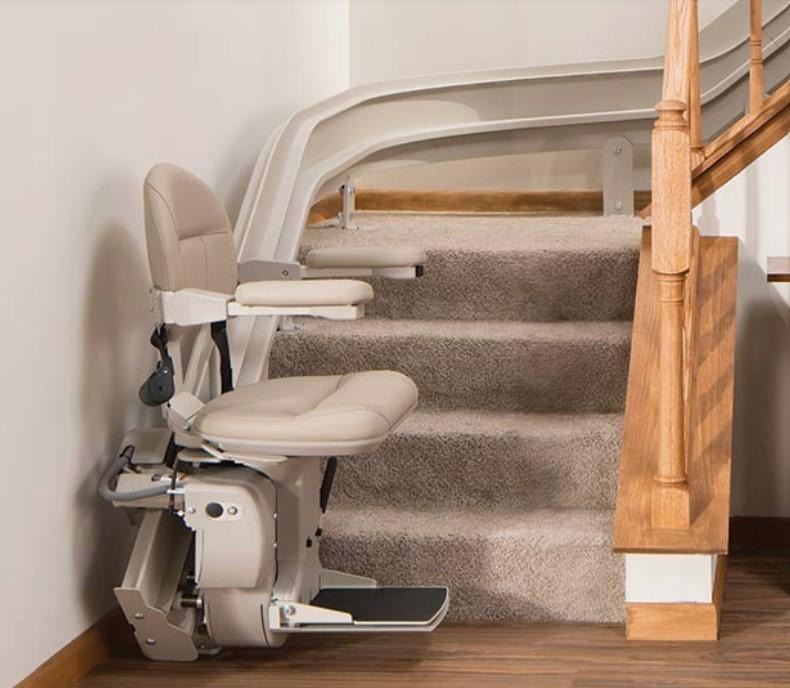
Choosing the Right Stairlift for Your Home
Here is what you need to consider before making your final choice of stairlift Long Island.
Start by Assessing Your Staircase
First and foremost, your staircase largely determines which stairlift options are even available to you. Straight staircases are the simplest to accommodate and pair well with standard, more affordable models. Curved or spiral staircases require a custom-built unit designed specifically for your staircase’s unique dimensions and angles. Additionally, consider the width of your staircase, since narrower stairs may limit your available options. Always have a professional measure your staircase accurately before requesting quotes, because precise measurements directly affect both product fit and final pricing.
Consider the User’s Physical Needs
Beyond the staircase itself, think carefully about the specific physical needs of the person using the lift every day. Consider their ability to sit, stand, and transfer on and off the seat comfortably and safely. Some users benefit greatly from powered swivel seats that rotate toward the landing, making getting on and off much easier. Furthermore, adjustable seat heights, armrests, and footrests ensure a comfortable, secure ride tailored to the individual. Choosing a model that fits the user’s body and abilities today, while also accommodating potential future needs, is always a wise investment.
Compare Key Features Across Models
Once you understand your staircase and the user’s needs, start comparing features across different models. Look for safety sensors that automatically stop the lift if an obstruction is detected on the stairs. Check whether the model runs on a battery backup system, which keeps the lift operational even during a power outage. Additionally, consider the weight capacity, the speed of operation, and the ease of using the controls. Prioritizing the features that genuinely matter for your situation helps you avoid paying for extras you will never actually use.
Research Brands and Read Customer Reviews
Not all stairlift manufacturers deliver the same level of quality or customer support. Therefore, spend time researching reputable brands with strong track records and verified customer reviews. Pay particular attention to feedback about reliability, durability, and how responsive the company is when service or repairs are needed. A stairlift is a long-term investment, so choosing a brand that stands behind its product with solid warranties and dependable after-sales service matters enormously.
Get Multiple Quotes and Ask the Right Questions
Before committing to any purchase, always collect quotes from at least three different providers. Compare not just the price but also what each quote includes, such as installation, warranty coverage, and ongoing maintenance. Ask each provider how long installation takes, whether it causes any permanent changes to your staircase, and what happens if the unit needs emergency repairs. Asking thorough questions upfront protects you from unexpected costs and unpleasant surprises down the road.
Conclusion: Choosing the Right Stairlift for Your Home
Ultimately, choosing the right stairlift comes down to understanding your staircase, knowing the user’s needs, comparing features thoughtfully, and selecting a trustworthy provider. Taking the time to research carefully before committing ensures you invest in a solution that truly delivers comfort, safety, and lasting independence. The right stairlift does not just move someone up the stairs; it genuinely improves their quality of life every single day.
Recent Comments